Used Fishing Nets Drive Sustainability on European Golf Courses
Media Release:
Europe’s golf industry is taking a new step toward sustainability — by giving discarded fishing nets a second life on the fairway.
Golf clubs are increasingly exploring ways to reduce environmental impact, including the use of recycled materials in course infrastructure.
One emerging solution is the repurposing of discarded fishing nets into high quality netting for driving ranges and training facilities, offering a circular alternative to products traditionally made from virgin plastic.
Significantly Lower Greenhouse Gas Emissions
The Norwegian recycling company Nofir collects end-of-life fishing gear from fisheries and the aquaculture industry and transforms the material into durable netting designed for various applications such as sport nets.
By extending the lifespan of existing materials, the solution contributes to reduced waste while significantly lowering greenhouse gas emissions with around 90% compared with conventional plastic production.
Golf facilities require large volumes of netting to ensure safety and efficient ball collection at driving ranges and practice areas. These nets are exposed to weather and frequent use, meaning they are regularly replaced. Choosing recycled materials can therefore make a measurable difference over time.
"Golf facilities rely on significant amounts of netting, and this presents a clear opportunity to reduce environmental impact through more responsible material choices", says Andreas Nordvik, Head of Market and Business Development at Nofir.
Popular Solution in Norway
Nofir has already supplied recycled netting to several golf clubs in Norway, where the material is used in driving ranges and training environments. The nets are produced through a well-established gathering and recycling process that ensures consistent quality and performance.
"Fishing gear is designed to be extremely durable due to the demanding conditions at sea. This makes the material well suited for reuse in applications that require strength and longevity", Nordvik says.
By repurposing fishing nets that have reached the end of their original use phase, the solution supports a circular value chain where materials continue delivering value instead of becoming waste or contributing to marine pollution.
Gaining Traction in Southern Europe
The approach has now reached southern Europe through an order from Castro Marim Golfe by The Algarve in Portugal. The recycled nets will be installed at the club’s driving range facilities.
"Golf is closely connected to nature, and it is important for the industry to consider solutions that help reduce environmental impact where possible", says António Cavaco, Golf Director at Castro Marim Golfe.
Portugal is one of Europe’s most established golf destinations, with a high number of courses operating year-round. As sustainability continues to gain importance across the sport, infrastructure materials represent one area where improvements can be implemented without affecting the playing experience.
"Even relatively small changes in material selection can create meaningful environmental benefits when implemented across many facilities," Nordvik says.
Back to News
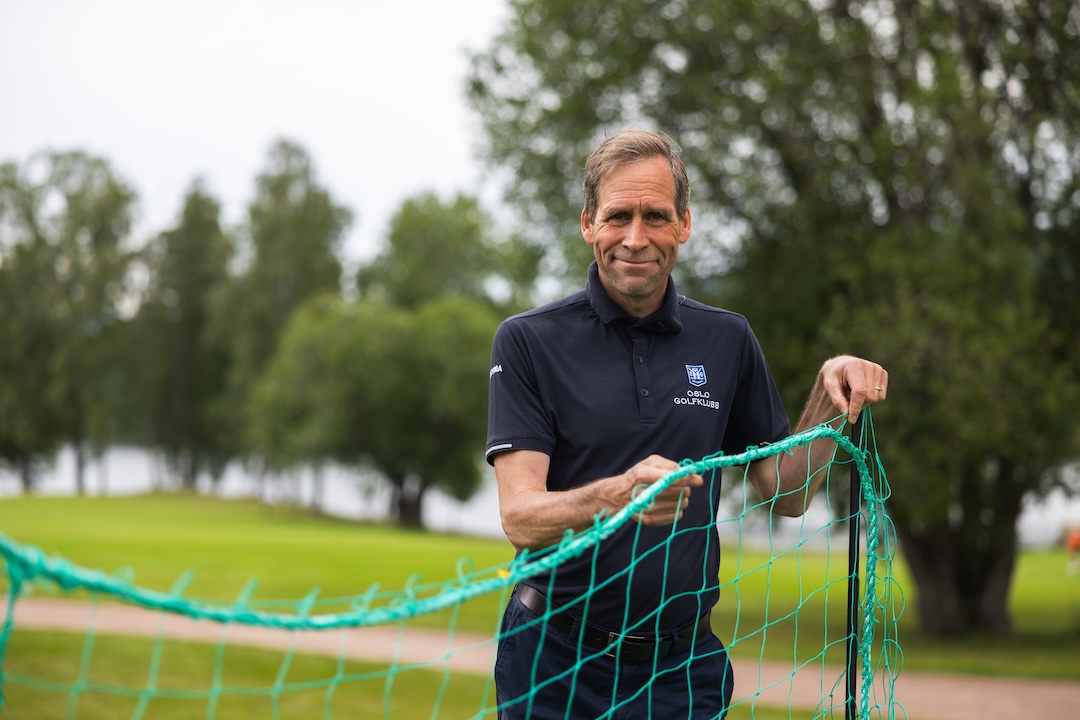
Photo: Nofir

More News

Victoria partnership secures Sandbelt future for men’s Aussie Open
Golf Australia announces Peninsula Kingswood as host in 2027 and further Melb events in 2029 and 2030
Construction underway on Douglas Links project in New Zealand
Situated on Ōhau River north of Paraparaumu Beach, and featuring duneland and river/ocean outlooks
Smylie to bid for Aus Open and second BMW Aus PGA Championship title
Young star Elvis Smylie set to play the PGA in Sydney in November, along with the Open at Kingston Heath in December
Internationals captain locked in for Australian majors this summer
Geoff Ogilvy to return home to play in both Australian major men’s tournaments, following the Presidents Cup.


